
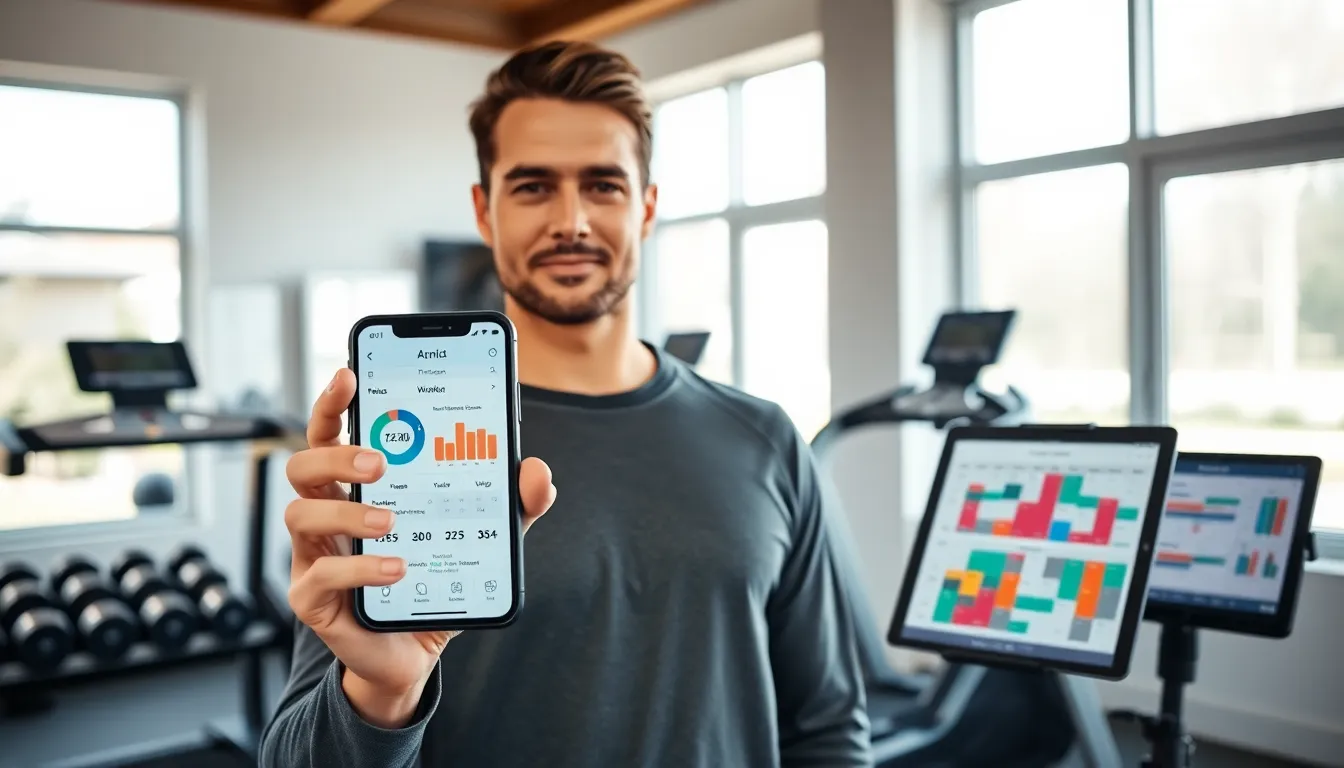
Fitness and training plans tools have changed how people approach their workouts. These digital solutions help athletes, gym-goers, and casual exercisers organize their routines, track progress, and stay motivated. Whether someone wants to build muscle, lose weight, or train for a marathon, the right tool can make a real difference.
Gone are the days of scribbling workouts on notepads or guessing which exercises to do next. Modern fitness planning software offers structure, accountability, and data-driven insights. This guide covers what these tools do, which features matter most, and how to pick one that fits specific goals.
Table of Contents
ToggleKey Takeaways
- Fitness and training plans tools help users create structured workouts, track progress, and receive data-driven guidance for better results.
- Look for key features like workout customization, progress analytics, exercise libraries with video demos, and wearable device integration.
- Choose from all-in-one apps, sport-specific platforms, coaching software, or free options based on your goals and budget.
- Always test fitness and training plans tools with free trials before committing to a paid subscription.
- Read reviews from users with similar fitness goals to find a tool that matches your specific needs and training style.
What Are Fitness and Training Plans Tools?
Fitness and training plans tools are software applications that help users create, follow, and adjust workout programs. They exist as mobile apps, web platforms, and desktop programs. Some focus on specific activities like running or weightlifting, while others cover multiple fitness disciplines.
At their core, these tools serve three main purposes. First, they provide workout structure. Users can access pre-built programs or create custom routines based on their preferences. Second, they track performance over time. This includes logging exercises, sets, reps, weights, and cardio metrics. Third, they offer guidance through video demonstrations, coaching tips, or AI-powered recommendations.
Fitness and training plans tools range from free basic apps to premium platforms with monthly subscriptions. The best options adapt to individual progress and adjust difficulty as users get stronger or faster. They replace the guesswork with clear direction, which keeps people consistent with their training.
Key Features to Look for in Training Plan Software
Not all fitness and training plans tools offer the same capabilities. Here are the features that separate useful platforms from mediocre ones.
Workout Customization
Good training plan software lets users modify workouts to match their equipment, time constraints, and fitness level. Look for tools that allow exercise substitutions, adjustable rest periods, and flexible scheduling. A runner shouldn’t be stuck with a program designed for someone with access to a full gym.
Progress Tracking and Analytics
Data drives improvement. Quality fitness tools track key metrics like total volume lifted, personal records, workout frequency, and body measurements. Visual charts and graphs help users spot trends and identify weak points in their training.
Exercise Library with Instructions
A solid exercise database matters, especially for beginners. The best fitness and training plans tools include video demonstrations and written cues for proper form. This reduces injury risk and ensures users perform movements correctly.
Integration with Wearables and Apps
Many people use fitness trackers, heart rate monitors, or nutrition apps. Training plan software that syncs with these devices creates a more complete picture of overall health. Look for compatibility with popular platforms like Apple Health, Google Fit, Garmin, and MyFitnessPal.
Scheduling and Reminders
Consistency beats intensity over the long term. Features like calendar integration, push notifications, and rest day reminders help users stay on track. Some tools even adjust schedules automatically when users miss a workout.
Types of Fitness Planning Tools Available
The market offers several categories of fitness and training plans tools. Each type serves different needs and budgets.
All-in-One Fitness Apps
These platforms combine workout programming, nutrition tracking, and progress monitoring in one package. Examples include apps that offer strength training, cardio, yoga, and meal planning together. They work well for people who want everything in one place.
Sport-Specific Training Platforms
Runners, cyclists, swimmers, and other athletes often prefer tools built for their sport. These specialized fitness and training plans tools include features like pace calculators, race planning, and sport-specific periodization. They connect with GPS devices and power meters for detailed performance analysis.
Coaching and Personal Training Software
Some tools connect users with human coaches who design custom programs. Others use AI to create personalized plans based on user input and performance data. These options cost more but provide individualized attention that generic programs lack.
Gym and Equipment-Based Apps
Certain fitness and training plans tools pair with specific equipment brands or gym chains. They might control smart machines, track reps automatically, or unlock content for gym members. These work best when users train at compatible facilities.
Free and Open-Source Options
Budget-conscious exercisers can find capable free tools. While they may lack premium features, many free fitness apps provide solid workout libraries, basic tracking, and community support.
How to Choose the Right Tool for Your Goals
Selecting fitness and training plans tools requires honest assessment of personal needs. Start by defining the primary goal. Someone training for a powerlifting competition needs different features than someone wanting to stay active during lunch breaks.
Consider available equipment and training environment. Home gym users should pick tools with bodyweight and minimal equipment options. Gym members have more flexibility but should ensure the app includes exercises for available machines.
Budget plays a role too. Free fitness and training plans tools handle basic needs adequately. Premium subscriptions make sense for serious athletes or those who need extra accountability features like coach messaging or detailed analytics.
Test before committing. Most paid fitness apps offer free trials. Use this period to evaluate the interface, workout quality, and tracking capabilities. An app that feels clunky or confusing won’t get used consistently.
Finally, read user reviews with specific attention to people with similar goals. A tool praised by marathon runners might frustrate someone focused on bodybuilding. Real user feedback reveals strengths and weaknesses that marketing materials hide.