
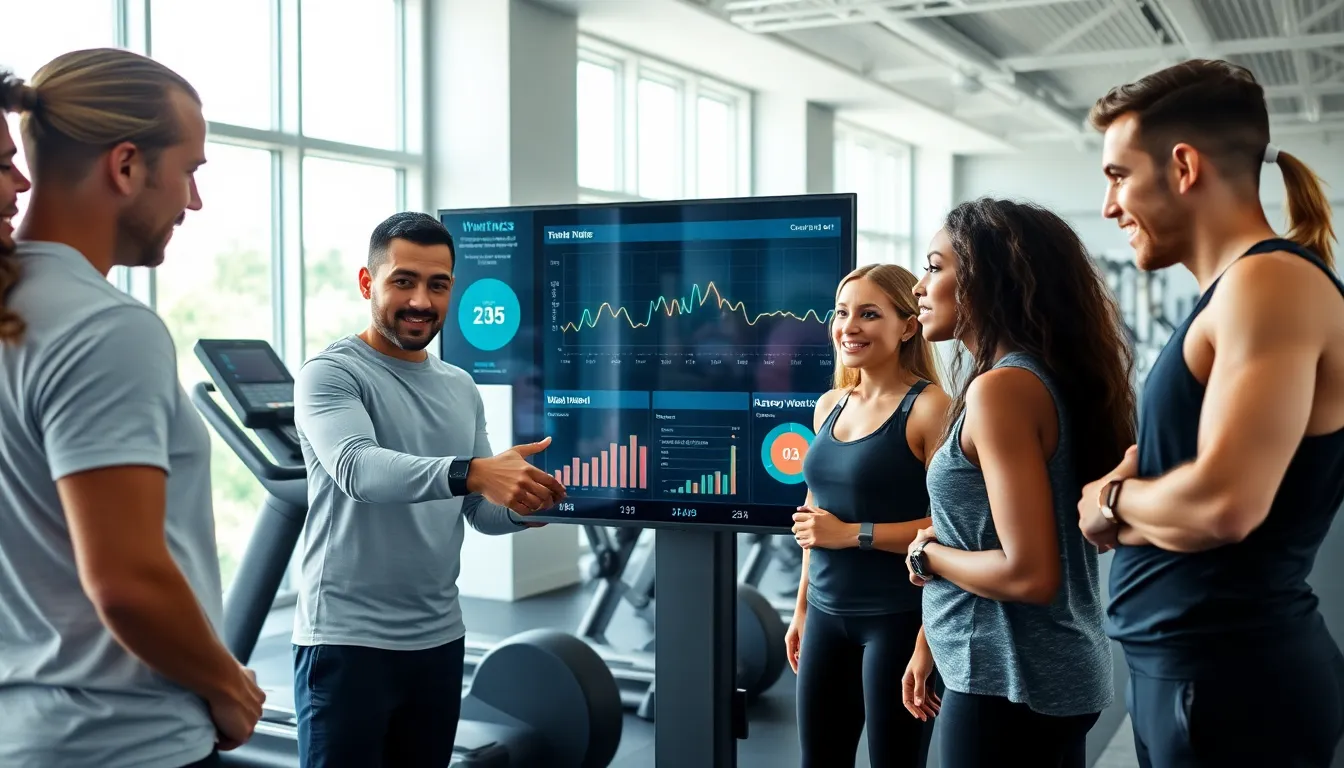
Fitness and training plans trends 2026 are reshaping how people approach exercise, recovery, and overall wellness. The fitness industry continues to evolve rapidly, driven by technological advances and shifting consumer expectations. Athletes, casual gym-goers, and health-conscious individuals alike are seeking smarter, more efficient ways to train.
This year brings significant changes to workout programming and fitness technology. From AI-driven personalization to hybrid training models, 2026 marks a turning point in how training plans are designed and executed. Understanding these fitness and training plans trends helps individuals make informed decisions about their health routines and fitness investments.
Table of Contents
ToggleKey Takeaways
- AI-powered fitness platforms in 2026 create personalized training plans by analyzing biometrics, recovery data, and real-time performance metrics.
- Hybrid fitness models combining gym sessions with digital home workouts are becoming the standard, improving adherence and flexibility.
- Recovery-focused training has shifted from optional to essential, with dedicated sessions for active rest, sleep optimization, and mobility work.
- Advanced wearables now track muscle oxygen, hydration, and glucose responses to drive smarter, data-driven training decisions.
- Community-based fitness experiences and social accountability features are key fitness and training plans trends helping users stay motivated long-term.
AI-Powered Personalized Training Programs
Artificial intelligence has transformed training plan creation in 2026. AI-powered fitness platforms now analyze individual biometrics, movement patterns, and recovery data to build highly specific workout programs. These systems adjust in real time based on performance metrics and user feedback.
The shift toward AI-driven fitness and training plans represents one of the most significant trends of 2026. Machine learning algorithms process data from wearables, sleep trackers, and nutrition apps to create comprehensive training recommendations. Users receive workouts that adapt to their current energy levels, stress markers, and fitness goals.
Several major fitness platforms now offer AI coaches that communicate through natural language interfaces. These virtual trainers answer questions, modify exercises for injuries, and provide motivation based on user behavior patterns. The technology removes much of the guesswork from training plan design.
Personalization extends beyond exercise selection. AI systems now optimize rest periods, training intensity, and workout timing based on individual circadian rhythms and lifestyle factors. This level of customization was previously available only through expensive personal training services.
Hybrid Fitness Models Combining In-Person and Digital Workouts
Hybrid fitness models have become the standard approach for training plans in 2026. These programs blend in-person gym sessions with digital home workouts, offering flexibility without sacrificing structure or community connection.
Gyms and fitness studios now design training plans that account for both physical and virtual attendance. Members might complete strength training at a facility twice weekly while following app-guided cardio sessions at home. This hybrid approach addresses scheduling challenges while maintaining workout consistency.
The fitness and training plans trends in 2026 show strong consumer preference for this blended model. Studies indicate that hybrid exercisers maintain higher adherence rates compared to those using exclusively in-person or digital options. The variety prevents boredom while the flexibility reduces missed workouts.
Fitness brands have invested heavily in seamless integration between physical and digital experiences. A trainer can monitor a client’s home workout through connected devices, then provide hands-on corrections during their next gym visit. This continuity creates more effective training plans overall.
Recovery-Focused Training and Active Rest Protocols
Recovery has moved from an afterthought to a central component of training plans in 2026. Fitness professionals now prioritize active rest protocols and recovery modalities as much as workout intensity. This shift reflects growing understanding of how adaptation occurs during rest periods.
Modern training plans integrate specific recovery techniques into weekly schedules. Cold exposure, contrast therapy, and percussion massage appear alongside traditional stretching and foam rolling. Many fitness and training plans now dedicate entire sessions to recovery work rather than treating it as optional.
The emphasis on recovery-focused training addresses burnout and overtraining, which have become more common as exercise intensity increases. Sleep optimization strategies, stress management techniques, and mobility work feature prominently in 2026 fitness trends. Trainers recognize that adaptation happens during rest, not during workouts.
Wearable devices track recovery metrics like heart rate variability and sleep quality, informing daily training decisions. When recovery scores are low, training plans automatically adjust intensity or suggest rest days. This data-driven approach prevents injuries and supports long-term progress.
Wearable Technology Driving Data-Driven Fitness Decisions
Wearable technology continues to advance rapidly, making data-driven fitness decisions accessible to everyone. The fitness and training plans trends of 2026 show wearables have moved beyond simple step counting to provide actionable training insights.
Current devices monitor muscle oxygen levels, hydration status, and glucose responses during exercise. This information helps users understand how their bodies respond to different training stimuli. Training plans can be adjusted based on objective physiological data rather than subjective feelings alone.
Integration between wearables and training platforms has improved significantly. Workout apps receive real-time data during exercise sessions and adjust prescribed intensity accordingly. If heart rate exceeds target zones, the app might suggest longer rest periods or reduced weights.
The democratization of fitness data represents a major shift in training plan accessibility. Information previously available only in elite sports facilities now reaches everyday exercisers through consumer devices. This trend supports more effective and safer training for all fitness levels.
Community-Based and Social Fitness Experiences
Community-based fitness experiences have grown significantly as a counter-trend to isolated home workouts. Training plans in 2026 often incorporate group challenges, partner workouts, and social accountability features. The human connection element proves essential for long-term adherence.
Fitness apps now include social features that connect users with training partners, either locally or virtually. These connections provide motivation, friendly competition, and emotional support during difficult training phases. Many users report that social features keep them engaged when individual motivation fades.
The fitness and training plans trends of 2026 show increased interest in team-based fitness programming. CrossFit-style competitions, running clubs, and group cycling events continue to attract participants seeking community alongside physical challenge. These experiences create accountability that solo training cannot replicate.
Brick-and-mortar gyms have adapted by creating more communal spaces and programming. Small group training sessions, workout tribes, and member events foster belonging. This social component differentiates physical facilities from purely digital alternatives and supports consistent training plan adherence.