
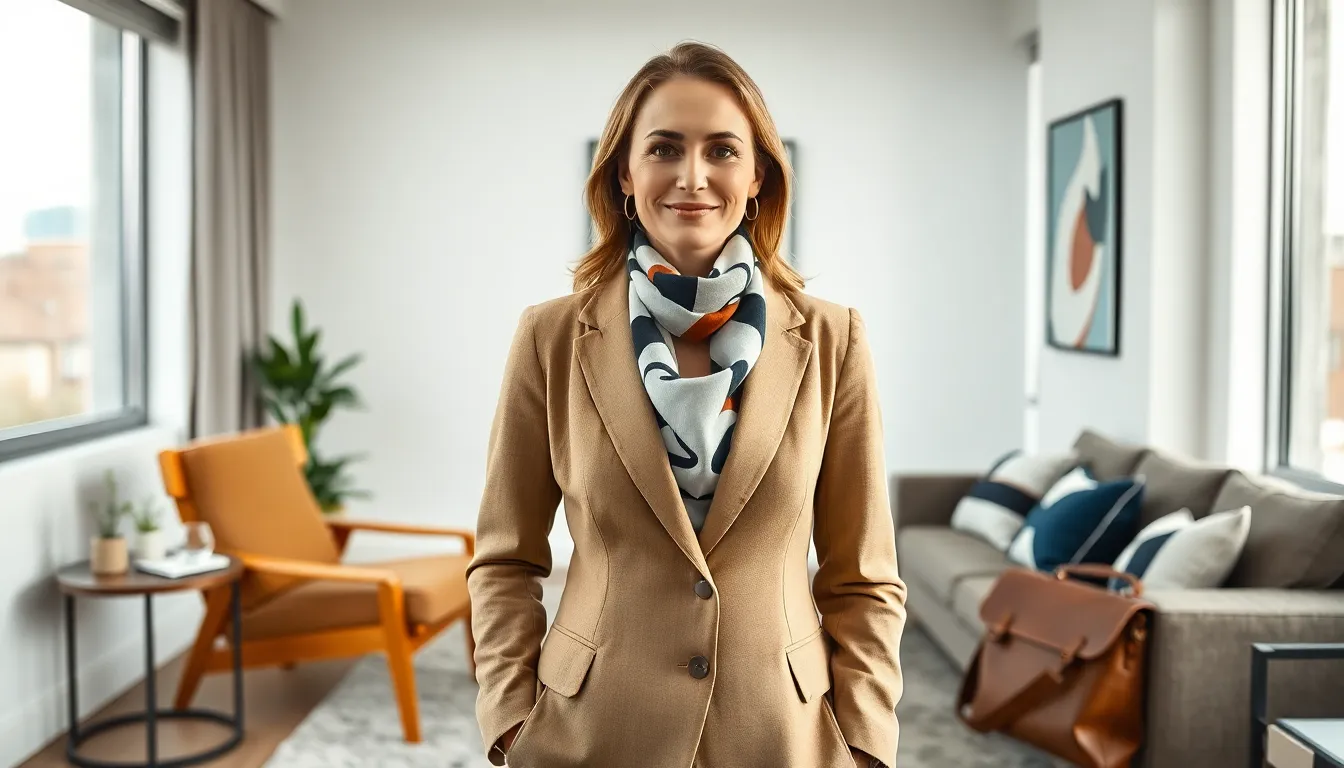
Latest trends vs. timeless classics, it’s a debate that surfaces every year. In 2025, this question feels more relevant than ever. Fashion cycles move faster. Home décor shifts with each social media scroll. Tech gadgets become outdated before the box hits recycling. Yet some choices never seem to lose their appeal. A well-cut blazer. A mid-century modern chair. A reliable watch.
So what should people actually follow? The answer isn’t strictly one or the other. Understanding when to embrace the new and when to stick with the proven can save money, reduce decision fatigue, and create a personal style that feels authentic. This guide breaks down the key differences between latest trends and timeless classics, explores why each matters, and offers practical ways to blend both in 2025.
Table of Contents
ToggleKey Takeaways
- The latest trends vs. timeless classics debate isn’t about choosing one—it’s about knowing when each approach serves you best.
- Latest trends signal cultural awareness but move fast, often feeling dated within 6-18 months.
- Timeless classics offer better cost-per-wear value and reduce decision fatigue over time.
- Build a classic foundation first, then add latest trends as affordable accents to keep your style fresh.
- Set a trend budget of 20-30% to enjoy what’s new without draining your wallet.
- Trust your personal taste—authentic enthusiasm for a trend matters more than strategic calculations.
Understanding the Appeal of Latest Trends
Latest trends capture attention because they signal awareness. Following what’s current shows engagement with culture, technology, and design. There’s real value in that.
In fashion, latest trends reflect collective moods. The 2025 runway shows feature bold color blocking, oversized silhouettes, and sustainable fabrics. These choices respond to current events, economic shifts, environmental concerns, and cultural movements. People who adopt latest trends early often feel connected to something larger than their personal wardrobe.
Technology trends work similarly. The latest trends in AI tools, smart home devices, and wearable tech promise efficiency gains. Early adopters gain competitive advantages at work and convenience at home. They also get bragging rights at dinner parties.
But here’s the catch: latest trends move fast. What feels fresh in January can feel dated by June. The dopamine hit of buying something new fades quickly when the next trend appears. This creates a cycle that can drain both wallets and closets.
Latest trends also carry social pressure. Algorithms push trending content relentlessly. It becomes easy to confuse “popular right now” with “right for me.” Smart consumers recognize this distinction before swiping their cards.
The Enduring Value of Timeless Choices
Timeless classics earn their status through decades of proven performance. A white Oxford shirt works in 1955 and 2025. A leather messenger bag functions just as well now as it did thirty years ago. These items transcend latest trends because they solve problems elegantly.
The appeal runs deeper than aesthetics. Timeless choices typically offer better cost-per-wear ratios. A $200 classic trench coat worn 100 times costs $2 per wear. A $50 trendy jacket worn five times before feeling outdated costs $10 per wear. The math favors classics.
Quality often aligns with timelessness too. Brands that produce classic designs usually invest in better materials and construction. They know their customers expect longevity. Fast fashion brands churning out latest trends face different incentives, quick turnover matters more than durability.
Timeless choices also reduce decision fatigue. People who build wardrobes or homes around classic pieces spend less mental energy on daily choices. They know what works. This frees cognitive resources for bigger decisions.
That said, an entirely classic approach risks feeling stale. Someone dressed head-to-toe in “timeless” pieces from 2010 might look preserved rather than stylish. Classics need occasional updates to stay current without chasing every latest trend.
Key Differences Between Trends and Classics
Understanding the core differences helps people make smarter choices between latest trends and timeless options.
Lifespan: Latest trends typically last 6-18 months. Timeless classics remain relevant for 10+ years, often indefinitely. This difference affects purchasing decisions significantly.
Price Dynamics: Trendy items often drop in resale value quickly. Classic pieces, especially from quality brands, hold value or even appreciate. Vintage Rolex watches and Hermès bags demonstrate this principle clearly.
Versatility: Classics mix easily with other classics. Latest trends often require other trending pieces to look cohesive. This creates pressure to buy more trending items, increasing total spending.
Emotional Response: Trends generate excitement and novelty. Classics provide comfort and reliability. Both emotional responses serve valid purposes depending on context and personality.
Cultural Signaling: Latest trends signal awareness of current culture. Classics signal confidence and established taste. Neither signal is inherently better, they communicate different things.
Environmental Impact: Trend-chasing generates more waste. Classic-focused consumption typically produces less environmental harm through reduced purchasing frequency and higher-quality materials that last longer.
Recognizing these differences doesn’t mean choosing one category exclusively. It means making informed decisions about when each approach makes sense.
How to Balance Trends With Timeless Style
The smartest approach blends latest trends with timeless foundations. Here’s how to do it well in 2025.
Build a Classic Core
Start with foundational pieces that work across contexts. In fashion, this means quality basics: well-fitted jeans, neutral blazers, versatile shoes. In home décor, it means investing in quality furniture with clean lines. These anchor pieces provide stability while trends swirl around them.
Add Trends Strategically
Use latest trends as accents rather than foundations. A trendy scarf updates a classic outfit without requiring a full wardrobe overhaul. A trendy throw pillow refreshes a room without replacing the sofa. This approach lets people enjoy latest trends without full commitment.
Set a Trend Budget
Allocate a specific percentage of spending to latest trends, perhaps 20-30%. This creates freedom to experiment while protecting the majority of resources for lasting investments. When the trend fades, the financial impact stays manageable.
Apply the Two-Year Test
Before buying something trendy, ask: “Will I still want this in two years?” If the answer feels uncertain, that’s useful information. It doesn’t mean avoiding the purchase, just entering it with clear expectations about lifespan.
Watch Trend Cycles
Many latest trends are actually revivals. The 90s aesthetic currently popular in 2025 appeared before and will appear again. Recognizing these cycles helps people invest in pieces that will return to relevance rather than items tied to a single moment.
Trust Personal Taste
Eventually, the best filter is individual preference. Someone who genuinely loves a current trend, not just its popularity, should follow it. Authentic enthusiasm beats strategic calculation every time. The goal isn’t optimizing a wardrobe or living room. It’s building a life that feels genuinely good.